Bringing plants into your home is one of the easiest and most effective ways to refresh your living space. Not only do plants add a touch of natural beauty, but they can also improve air quality and create a calming, inviting atmosphere. Whether you’re a seasoned plant parent or just starting out, incorporating greenery into your home can make a big difference.
In this guide, we’ll explore practical ideas and tips on how to refresh your home with plants, including selecting the right types, arranging them creatively, and caring for them properly.
Why Add Plants to Your Home?
Plants do more than just look good. They offer several benefits that can enhance your daily living experience:
– Improve air quality: Many indoor plants help filter toxins and increase oxygen levels.
– Boost mood and reduce stress: Spending time with nature, even indoors, can improve mental well-being.
– Add color and texture: Plants bring life to dull corners and complement your décor style.
– Create a natural focal point: Unique plants or stylish planters can serve as statement pieces.
Choosing the Right Plants for Your Space
Before you bring plants home, consider these factors to find the best fit:
Light Conditions
Plants have different sunlight needs. Assess the lighting in each room:
– Bright light: South-facing windows provide plenty of sunlight. Choose succulents, cacti, or fiddle leaf figs.
– Medium light: Rooms with indirect light suit snake plants, pothos, or spider plants.
– Low light: For spaces with minimal natural light, try ZZ plants, peace lilies, or cast iron plants.
Space and Size
Think about where you want to place your plants:
– Small plants are perfect for shelves, desks, or windowsills.
– Medium plants work well on side tables or counters.
– Larger plants can fill empty corners or become floor-standing accents.
Maintenance Level
Be honest about how much time you can dedicate to plant care:
– Low maintenance: Succulents, snake plants, and pothos.
– Moderate care: Prayer plants and spider plants.
– Higher maintenance: Ferns and orchids might need more attention.
Creative Ways to Display Your Plants
How you arrange and display your plants can refresh your home’s look significantly. Here are some ideas:
Grouping and Layering
Place plants of different heights and textures together to create visual interest. Grouping several small plants on a shelf or mantel can look lush and curated.
Hanging Planters
Use hanging pots or macramé holders to add greenery without sacrificing surface space. This works well in kitchens, bathrooms, or living rooms.
Statement Planters
Choose unique pots made of ceramic, clay, or woven materials to add an extra design touch. Even plain plants can stand out with the right planter.
Plant Shelves
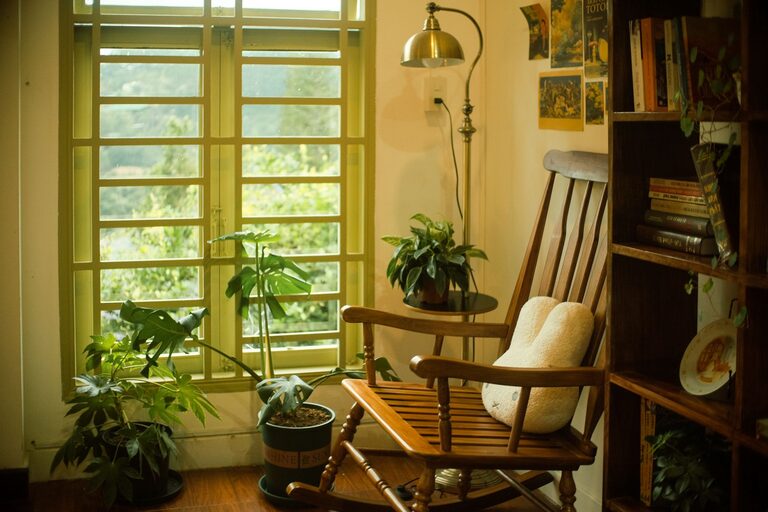
Dedicate a shelf or small bookcase to your plant collection. Mixing books, decorative items, and plants can create a cozy, personalized corner.
Window Gardens
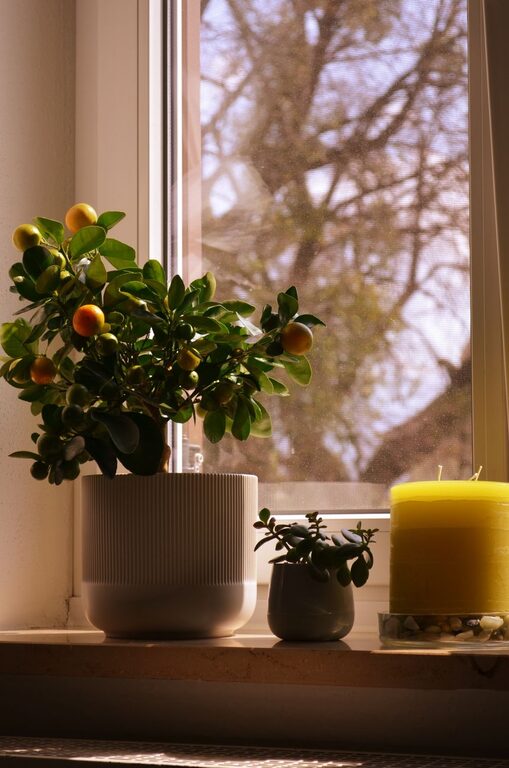
Windowsills are perfect spots for herbs, succulents, or small flowering plants. They get plenty of light and give your windows a fresh look.
Caring for Your Indoor Plants
To keep your plants healthy and thriving, follow these basic care tips:
Watering
– Check soil moisture before watering; overwatering is a common mistake.
– Use pots with drainage holes to prevent root rot.
– Adjust watering frequency depending on the season and plant type.
Light
– Rotate plants regularly to ensure even light exposure.
– Avoid placing plants in direct hot sunlight unless they are sun-loving species.
Feeding
– Use a balanced, water-soluble fertilizer during the growing season (spring and summer).
– Follow the instructions on the fertilizer for best results.
Cleaning and Pruning
– Dust leaves gently with a damp cloth to help plants breathe.
– Trim dead or yellowing leaves to encourage new growth.
Seasonal Refresh Ideas
To keep your home feeling fresh all year, consider seasonal updates:
– Spring: Add flowering plants like African violets, begonias, or orchids.
– Summer: Bring in heat-tolerant plants such as succulents or palms.
– Fall: Incorporate plants with warm-toned foliage or pumpkins in your planters.
– Winter: Choose hardy plants that can survive lower light, like snake plants or philodendrons.
Troubleshooting Common Issues
If your plants don’t look their best, here’s what to check:
– Yellow leaves: Often a sign of overwatering or poor drainage.
– Drooping leaves: May indicate underwatering or too much direct sun.
– Brown leaf tips: Can be caused by dry air or fertilizer buildup.
– Pests: Look for tiny insects and treat with gentle insecticidal soap or neem oil.
Final Thoughts
Refreshing your home with plants is a rewarding way to enhance your living environment. The key is to choose plants that suit your space and lifestyle, display them creatively, and care for them properly. With a little attention, your plants will transform your home into a vibrant, peaceful oasis.
Start small, have fun experimenting, and enjoy the natural beauty that plants bring into your life!